

What are the best practices for cosmetic packaging testing and validation?
Cosmetic Packaging is an important aspect of the beauty and personal care industry. It refers to the casing or container that holds cosmetic products such as lotions, shampoos, perfumes, and makeup. Packaging not only protects the product from external factors but also plays a vital role in attracting customers. The packaging must be durable, safe, and visually appealing to leave a lasting impression on the buyer.
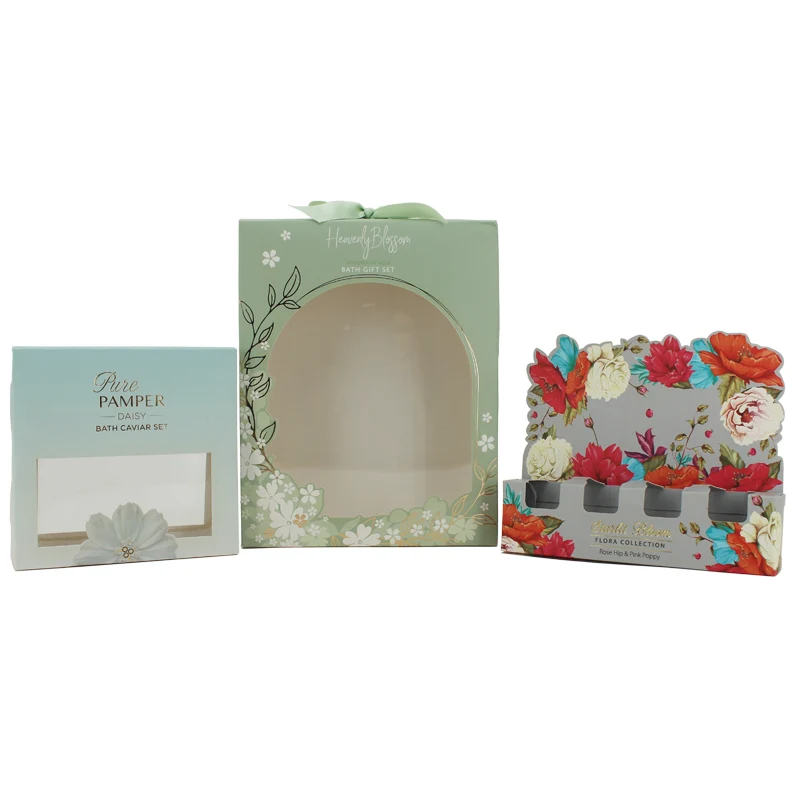
What are the elements of a good cosmetic packaging?
A good cosmetic packaging must be visually appealing, practical, and safe. It should also be able to preserve the product's shelf life, prevent contamination or spoilage, and protect the product from environmental factors such as humidity, temperature, and sunlight.
What are the different types of cosmetic packaging materials?
The different types of cosmetic packaging materials include plastic, glass, metal, and paper. Each material has its own advantages and disadvantages, and the choice of material depends on factors such as the product's sensitivity, compatibility, and safety requirements.
What is cosmetic packaging testing and validation?
Cosmetic packaging testing and validation involve testing the packaging's performance and safety under normal and extreme conditions. It includes various tests such as drop test, vibration test, compression test, and transportation test to ensure that the package can withstand various conditions during transportation and handling. Validation ensures that the packaging meets the regulatory requirements and is safe for use by consumers.
Why is cosmetic packaging testing and validation important?
Cosmetic packaging testing and validation are important as they ensure that the packaging can withstand various conditions during transportation and handling. It also ensures that the packaging is safe for use and is compliant with the regulatory requirements. Testing and validation also help to identify any potential issues and resolve them before the product is launched in the market.
Can cosmetic packaging be environmentally friendly?
Yes, cosmetic packaging can be environmentally friendly by using sustainable materials such as bioplastics, glass, and paper. Packaging can also be designed to be reusable, refillable, or recyclable to reduce waste and carbon footprint.
What are the current trends in cosmetic packaging?
The current trends in cosmetic packaging include minimalist designs, sustainable materials, and personalized packaging. Brands are also adopting smart packaging that provides additional features such as product information, tracking, and authentication.
In conclusion, cosmetic packaging is an important aspect of the beauty and personal care industry. A good packaging must be visually appealing, practical, and safe. Cosmetic packaging testing and validation are important to ensure that the packaging meets the regulatory requirements and can withstand various conditions. Brands are also adopting sustainable and personalized packaging to cater to the evolving consumer needs.
The Source Design Collections Co., Ltd. is a leading provider of cosmetic packaging solutions. They offer a wide range of packaging options that cater to the unique needs of their customers. For more information, visit their website at https://www.tsbathset.com or email them at [email protected].
References
Burgess, K. (2019). Sustainable Packaging in Cosmetics. Beauty Packaging Magazine, 8(3), 18-21.
Chen, Y., Ma, L., & Cao, Y. (2018). Development of a Smart Packaging Platform for Cosmetics. Journal of Dispersion Science and Technology, 39(7), 1001-1009.
D'Souza, G. (2017). Packaging for cosmetics and personal care products must reflect client needs. Plastics, Rubber and Composites, 46(9), 408-413.
Gordillo, M. (2016). The importance of package design in the cosmetics industry. Cosmetics & Toiletries, 131(3), 36-40.
Kim, J. (2020). Estimation of the Shelf Life of Cosmetics by Accelerated Shelf Life Testing. Cosmetics, 7(3), 49.
Loureiro, R., Neto, B., Franco, M., & Nunes, C. (2018). Bioplastics for Cosmetics Packaging. Microbial Biodegradation and Bioremediation, 5(1), 22-26.
Morris, M. (2019). Packaging Trends in the Beauty Industry. Paperboard Packaging, 97(4), 14-17.
Rajan, R. (2018). Cosmetic Packaging Materials and Compatibility. Journal of Applied Packaging Research, 10(4), 1-8.
Shen, L. (2017). Smart Packaging Technologies for Fast Moving Consumer Goods. Journal of Applied Packaging Research, 9(3), 18-21.
Sun, J., & Chen, Y. (2021). Investigating the Role of Sustainable Cosmetic Packaging in Enhancing Purchase Intentions. Sustainability, 13(11), 6392.
Tonyali, B. (2018). The importance of cosmetic packaging design for brand identity in the Turkish market. International Journal of Business and Management Studies, 10(1), 107-121.