What are some common misconceptions about aromatherapy and essential oils?
Aromatherapy is a technique that uses essential oils extracted from plants to improve physical and mental health. It has been used for centuries by different cultures around the world. The practice aims to improve the body's natural healing process and provide a sense of well-being. Essential oils can be used in different ways, such as through massage, inhalation, and bath soaks. It is important to note, however, that aromatherapy is not a substitute for traditional medical treatment and should not be used as the sole treatment for any condition.
What are some common misconceptions about aromatherapy and essential oils?
Myth: Aromatherapy is just about pleasing scents.
Fact: Aromatherapy is more than just about pleasant smells. It uses essential oils to promote healing and relaxation.
Myth: Essential oils can cure any ailment.
Fact: Essential oils can help manage certain conditions, but they are not a cure-all. They should not be used as a substitute for medical treatment.
Myth: Anyone can use essential oils without any risk.
Fact: Essential oils should be used under the guidance of a trained professional. Improper use of essential oils can cause adverse reactions and harm.
Myth: Essential oils are regulated by the FDA.
Fact: Essential oils are not regulated by the FDA. It is important to choose high-quality essential oils from reputable sources.
How can I safely use essential oils?
When using essential oils, it is important to follow these safety guidelines:
- Always use a carrier oil when applying essential oils topically. Essential oils should never be applied directly to the skin.
- Do not ingest essential oils unless under the supervision of a qualified healthcare provider.
- Keep essential oils out of reach of children and pets.
- Do not use essential oils on pregnant women, infants, or young children without the guidance of a healthcare provider.
- Store essential oils in a cool, dry place away from direct sunlight.
What are some popular essential oils and their benefits?
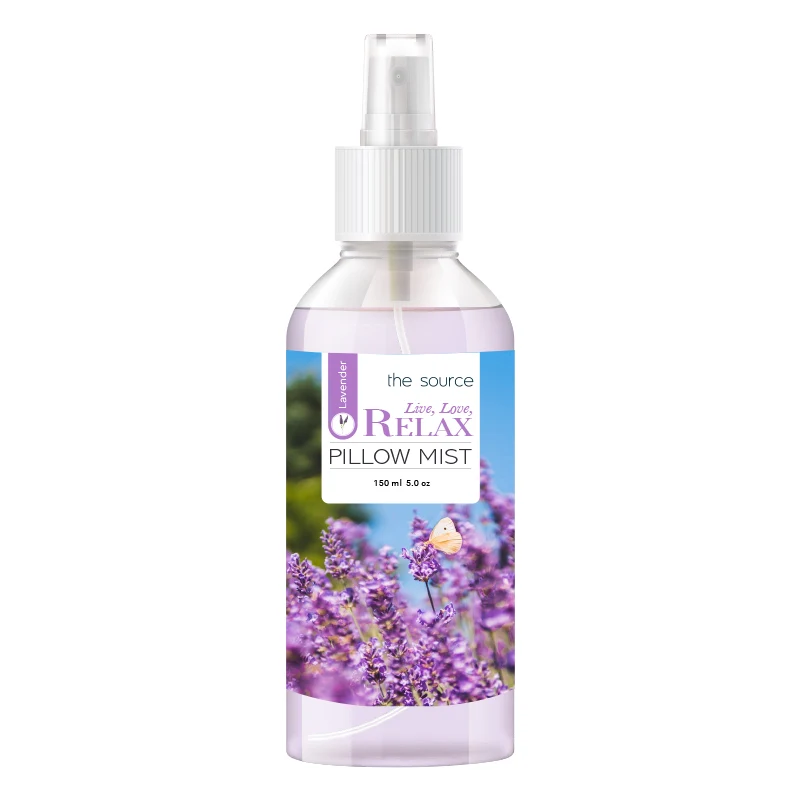
Lavender: Calming and relaxing, helps with anxiety and sleep.
Peppermint: Energizing and invigorating, helps with focus and headaches.
Eucalyptus: Decongestant and anti-inflammatory, helps with respiratory issues and pain relief.
Tea Tree: Antimicrobial and anti-inflammatory, helps with acne and other skin issues.
Frankincense: Anti-inflammatory and stress-reducing, helps with mood and skin health.
Conclusion
Aromatherapy can be a beneficial practice for improving physical and mental health. However, it is important to use essential oils safely and not as a substitute for traditional medical treatment. By following proper guidelines and using high-quality oils, aromatherapy can provide a sense of well-being and relaxation.
The Source Design Collections Co., Ltd. is a leading provider of high-quality essential oils and aromatherapy products. Our products are sourced from reliable suppliers and are tested to ensure quality and purity. Contact us at [email protected] for more information.
Scientific Research Articles:
1. Kimura K, Ozeki M, Juneja LR, Ohira H. l-Theanine reduces psychological and physiological stress responses. Biol Psychol. 2007 Feb;74(1):39-45.
2. Koulivand PH, Khaleghi Ghadiri M, Gorji A. Lavender and the nervous system. Evid Based Complement Alternat Med. 2013;2013:681304.
3. Moss M, Cook J, Wesnes K, Duckett P. Aromas of rosemary and lavender essential oils differentially affect cognition and mood in healthy adults. Int J Neurosci. 2003 Jan;113(1):15-38.
4. Sadlon AE, Lamson DW. Immune-modifying and antimicrobial effects of eucalyptus oil and simple inhalation devices. Altern Med Rev. 2010 Apr;15(1):33-47.
5. Carson CF, Hammer KA, Riley TV. Melaleuca alternifolia (Tea Tree) oil: a review of antimicrobial and other medicinal properties. Clin Microbiol Rev. 2006 Jan;19(1):50-62.
6. Moussaieff A, Rimmerman N, Bregman T, et al. Incensole acetate, an incense component, elicits psychoactivity by activating TRPV3 channels in the brain. FASEB J. 2008 Aug;22(8):3024-34.
7. Srivastava JK, Shankar E, Gupta S. Chamomile: A herbal medicine of the past with bright future. Mol Med Report. 2010 Nov 1;3(6):895-901.
8. Leach MJ, Page AT. Herbal medicine for insomnia: A systematic review and meta-analysis. Sleep Med Rev. 2015 Dec;24:1-12.
9. Yin J, Xing H, Ye J. Efficacy of aromatherapy in the treatment of postpartum complications: A systematic review and meta-analysis. Complement Ther Clin Pract. 2021 Feb;42:101285.
10. Han X, Parker TL. Anti-inflammatory activity of cinnamon (Cinnamomum zeylanicum) bark essential oil in a human skin disease model. Phytother Res. 2017 Jun;31(6):1034-1038.